David and I are reading a couple’s devotional every night, and the question last night’s devotional ended with was asking what life was like before knowing God. David had a difficult time answering it because he was saved as a child, and he was curious to hear what I would have to say, because he didn’t know what that life was like.
I don’t often reflect deeply on that, but I was glad that I did last night.
I recall as a child having this impending sense of doom when I realized one day I would be buried in the ground and life would be over. I had a hard time wrapping my head around that reality. At the time, I didn’t consider hell or heaven, but that life would just stop. It was a terrifying thing to think about as a child, lying in bed at night. I don’t know when that fear stopped plaguing my thoughts, but I know by the time I reached high school, I wasn’t concerned about it anymore.
From my teens through my early 30s, if I had to describe what life was like—my happiness, my hope, my security, and my identity were found in two things: relationships and career.
Placing my sense of identity and security in another human being created an impossible weight for that relationship to carry. What it feels like is idolatry. I think we often think of idolatry as bowing down to a statue, but really, it is taking something good that God created and turning it into an “ultimate thing.”
When a relationship was my primary sense of worth, I unknowingly required my partner to act as my savior, my provider, and ultimately my God.
An idolized relationship demands validation as a survival necessity. When I was living this way, I was using relationships to prove that I matter. Since humans are imperfect, always changing, and temporary, building my identity on another person is like building a house on a foundation that shifts every time they have a stressful day, make a mistake, or treat me poorly. This resulted in me experiencing a lot of anxiety, depression, and emptiness for approximately 15 years of my life.
This reminds me of the parable Jesus told in Matthew 7 about building your house on the Rock.
“Everyone then who hears these words of mine and does them will be like a wise man who built his house on the rock. And the rain fell, and the floods came, and the winds blew and beat on that house, but it did not fall, because it had been founded on the rock. And everyone who hears these words of mine and does not do them will be like a foolish man who built his house on the sand. And the rain fell, and the floods came, and the winds blew and beat against that house, and it fell, and great was the fall of it.”
Matthew 7:24–27
Sand is easy to build on. It’s convenient, comfortable, and looks completely stable—until a storm hits. Relationships feel like solid ground… as long as “the weather” is good, like as long as your partner is loving you well.
Jesus doesn’t say the storm might come; the rain, rising streams, and winds hit both houses. The difference isn’t whether life gets hard, but whether what you built your identity on can survive the impact.
When a relationship or identity built on sand collapses under the weight of a crisis, Jesus calls it a “great crash.” It feels like total devastation because it isn’t just a relationship ending, it’s your foundational sense of self falling apart.
The Rock isn’t just moral effort; it’s Jesus Himself and His teachings. Building on the Rock means that when human relationships fail, shift, or go through trials, your core identity remains entirely unshaken because it was never resting on human stability in the first place.
Before Christ, my heart was doing what all human hearts naturally do—searching for an anchor. I was looking for home, security, and worth. Human relationships are meant to be reflections of divine love, not the source of it. Once I accepted Jesus into my heart and developed a relationship with Him, Christ moved to the center.
Instead of needing a partner to complete my identity, I was free to love them without demanding that they secure my soul—something they were never equipped to do in the first place. Maybe for you, it’s not a relationship. For some people, it’s career, achievement, performance, perfectionism, public perception, financial wealth, control, escapism, comfort, or intellectualism. Notice how none of these things are bad. They are either neutral, or they are good gifts. The shift into idolatry happens in the heart, when a gift is asked to provide the deep peace, purpose, and security that only the Gift-giver, God, can provide.
This isn’t a lesson you learn once and forever master. Three weeks into caring for our new baby, I catch myself sliding back into these old habits. In the fog of newborn sleep deprivation and physical recovery, it’s so easy to place an impossible burden on David—expecting him to be my ‘all in all,’ my ultimate emotional fix, and my sole comfort when things feel overwhelming.
But human shoulders were never built to bear the weight of our salvation or our ultimate peace. When I feel that familiar anxiety creep in, it’s a quiet reminder to release the pressure off my husband and place my hope back where it belongs: on the Rock. As I was walking with Rebekah in the neighborhood yesterday, feeling overwhelmed, a man raced past me on an electric scooter. As he passed, he looked at me and said, “There is hope in Jesus, ma’am.”
I love how God shows up to give us gentle reminders, right when we need them most. As our family steps into this new season of parenthood, I look forward to sharing more of these messy, grace-filled moments of learning to build our home and our hearts on Him.

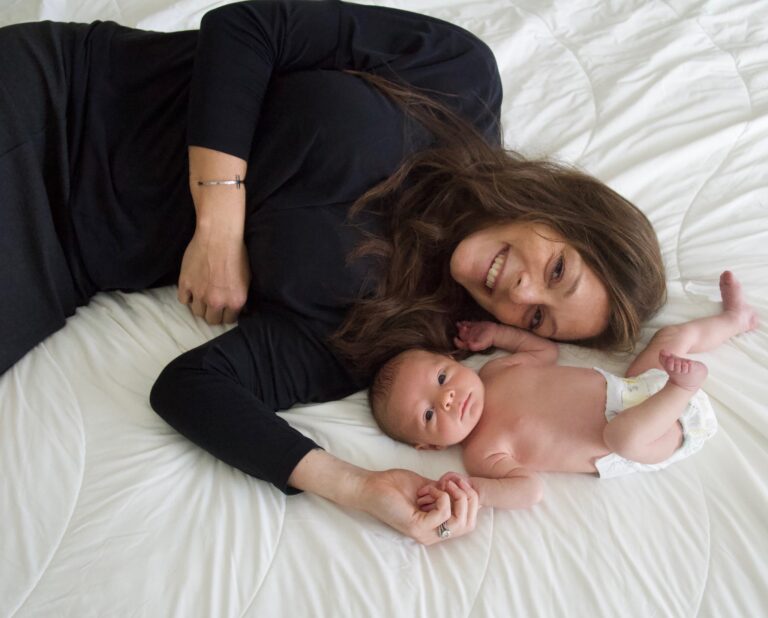
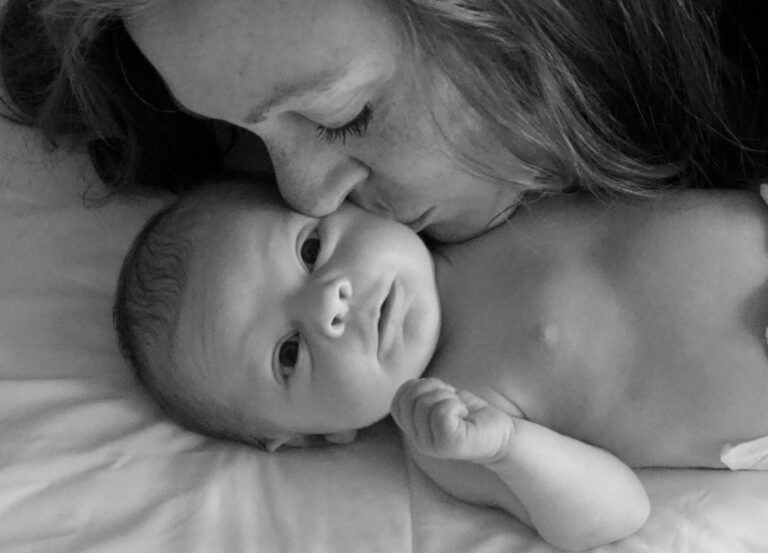
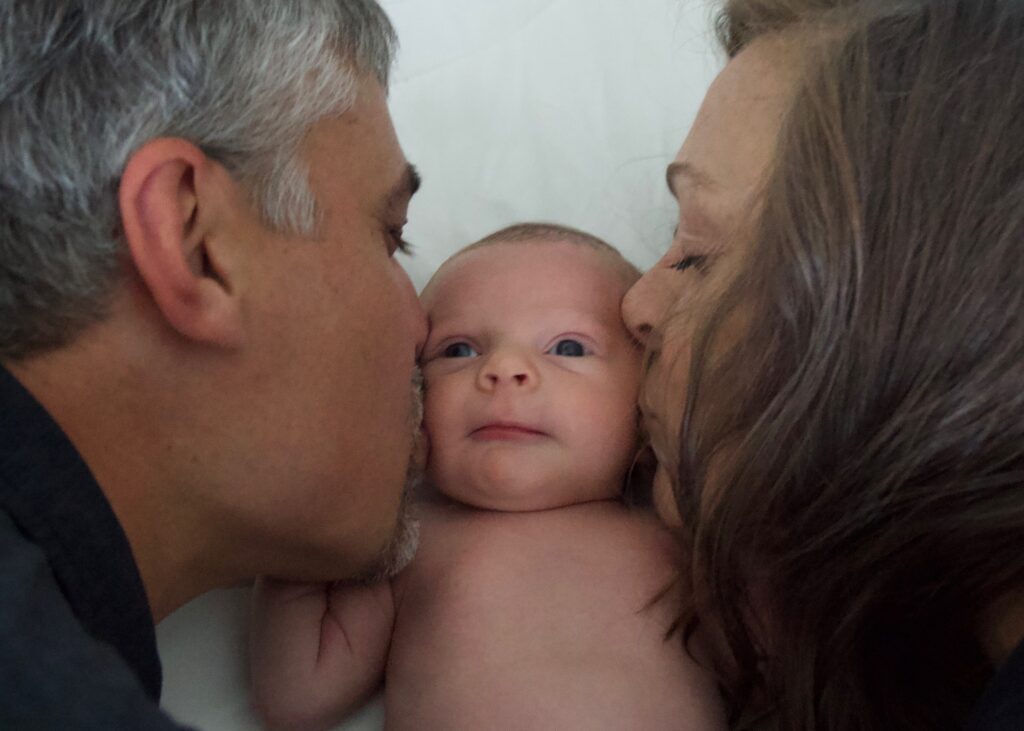
Rebekah is 3 weeks old today!

I can’t get over how beautiful she is.
“Every good gift and every perfect gift is from above, and comes down from the Father of lights, with whom there is no variation or shadow of turning.”
James 1:17
“For You formed my inward parts;
You knitted me together in my mother’s womb.
I praise you, for I am fearfully and wonderfully made.
Wonderful are Your works;
my soul knows it very well.”
Psalm 139:13-14
“ I will pour My Spirit upon your offspring, and My blessing on your descendants. They shall spring up among the grass like willows by flowing streams. This one will say, ‘I am the Lord’s.”
Isaiah 44:3-5
As David and I spend most of our time caring for Rebekah, we are still dedicating time to our Africa ministry.
Our setup is a bit unique: we live here at home, which serves as our operational base, and we travel to West Africa multiple times throughout the year for direct, on-the-ground ministry. Between trips, David’s full-time work continues from home—coordinating projects, preparing training materials, and supporting our local partners in the field.
A lot of people naturally assume that missionaries receive a regular paycheck from their mission organization. In reality, our ministry is 100% funded through individual support raising.
Every part of what we do—our travel and field expenses, direct ministry work, and our family’s daily living expenses—is funded solely through the generosity of individuals, families, and churches who choose to partner with us financially. Without a committed team behind us, we simply cannot do this work.
We are looking for partners who will commit to ongoing monthly gifts to provide the stability we need to stay focused on the work God has called us to. Would you prayerfully consider joining our team as a monthly financial partner?

We are so grateful for your friendship, your prayers, and your willingness to consider partnering with us to reach West Africa.
Subscribe at the bottom of this page so you don’t miss a post!
To learn more about our ministry in West Africa, press the button below!
Discover more from The Chambers for Life Change Foundation
Subscribe to get the latest posts sent to your email.